Hair loss and dandruff are two common issues that many individuals face, yet they are often misunderstood. While they may seem unrelated at first glance, they can significantly impact an individual’s confidence and quality of life. In this blog post, we will explore the causes of hair loss and dandruff, debunk common myths, and present the facts surrounding these conditions.
Causes of Dandruff
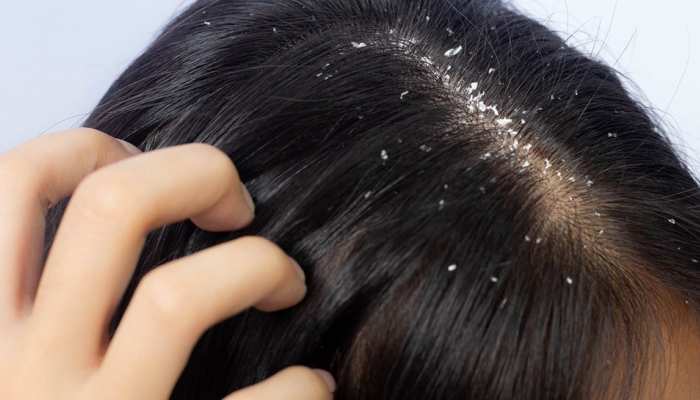
Dandruff, characterized by flaking of the scalp, can arise from various factors:
- Dry Skin: One of the most common causes of dandruff is dry skin. During colder months, or in especially dry environments, the scalp can lose moisture and lead to flaking.
- Seborrheic Dermatitis: This condition is similar to dandruff but is characterized by oily, irritated skin. It can also affect the beard, eyebrows, and other areas of the body.
- Fungal Infection: Malassezia, a type of yeast that can be found on the scalp, can lead to an overgrowth that irritates the scalp, resulting in dandruff.
- Sensitivity to Hair Products: Some individuals may react adversely to certain shampoos or hair styling products, leading to irritation and flaking.
- Medical Conditions: Conditions such as psoriasis, eczema, or certain neurological disorders (like Parkinson’s disease) can make individuals prone to dandruff.
Causes of Hair Loss
Hair loss, or hairfall, can stem from a range of conditions and lifestyle factors:
- Genetics: Hereditary-pattern baldness is the most common cause of hair loss, affecting millions irrespective of gender.
- Hormonal Changes: Fluctuations in hormones due to pregnancy, childbirth, menopause, or conditions like polycystic ovary syndrome (PCOS) can lead to hair thinning or loss.
- Nutritional Deficiencies: Lack of essential nutrients like iron, protein, and vitamins can weaken hair follicles, leading to increased hairfall.
- Stress: High-stress levels can trigger provisional hair loss known as telogen effluvium, where hair follicles enter a resting phase, causing more hair to fall out than usual.
- Medical Conditions: Health issues such as thyroid disorders, autoimmune diseases, and scalp infections can also contribute to significant hair loss.
Common Myths about Dandruff and Hair Loss
- Myth: Dandruff is caused by poor hygiene.
Fact: While poor hygiene can exacerbate dandruff, it is not the primary cause. Dandruff often originates from skin conditions or fungal infections rather than cleanliness. - Myth: Hair loss is only a concern for older individuals.
Fact: Hair loss can affect anyone at any age, and the earlier onset of hair loss can lead to more significant issues later. - Myth: Scratching your scalp helps reduce dandruff.
Fact: Scratching can worsen irritation and lead to more flakes. Instead, it’s essential to use specialized shampoos that target dandruff. - Myth: All hair loss is permanent.
Fact: Not all hair loss is permanent. Many cases, especially those linked to stress or hormonal changes, are often reversible with the right treatment.
Conclusion
Understanding the causes of hair loss and dandruff, along with dispelling common myths, is crucial for effective management and treatment. If you’re facing persistent issues with dandruff or hair fall, consulting a healthcare professional or a dermatologist can provide valuable insights and tailored solutions. Remember, timely intervention can help you regain your confidence and maintain the health of your hair and scalp.